Digital Minimalism: 7 Powerful Ways to Reclaim Your Life in 2026
Look around you. How many devices do you have within arms reach? 2? 3? Even more? We are getting inundated with devices, all of which are getting smarter, faster, and more deeply integrated into our lives than ever before.
We have AI tools that complete our sentences, watches that monitor our vitals, and even fridges that tell us when we are out of milk. Beneath this glossy surface of tech innovation lies a sobering truth: we’re drowning in digital overwhelm.
That’s where digital minimalism steps in. Not as a trend, but as a survival strategy.
The Attention Economy Is More Aggressive Than Ever
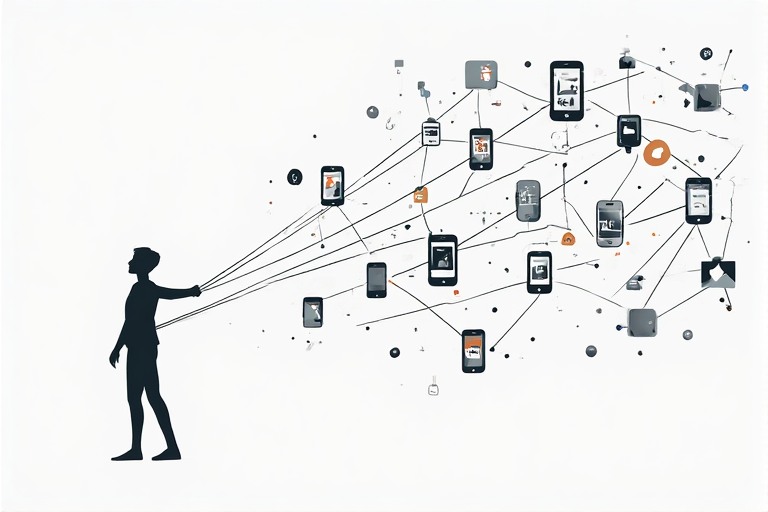
Every app, every notification, every platform has one goal. To grab your attention and hold it. In today’s world, algorithms don’t just respond to your behavior. They predict it and shape it. There’s an old saying about online services. If you are getting it for free, then you are not the customer, you are the product. Similarly, if you aren’t intentional, your time, energy, and focus become the product.
Digital minimalism helps you to resist that pull. It’s about being deliberate and choosing tools that serve you. Not the other way around.
Tech Overload Is Fueling Mental Burnout

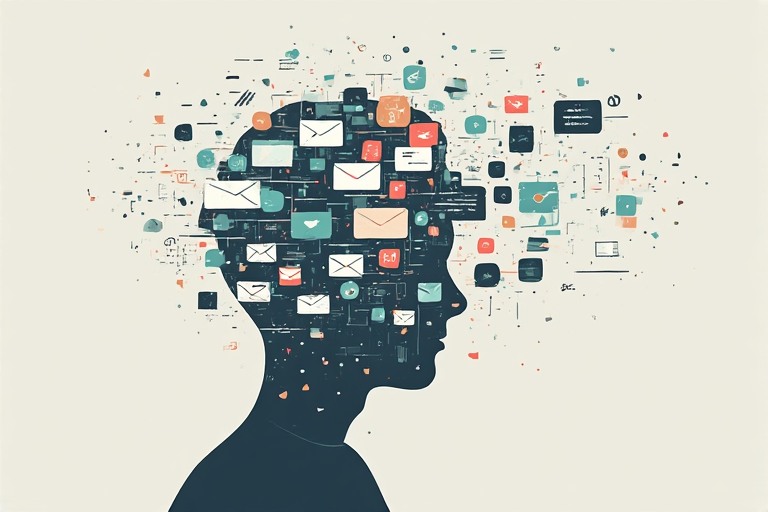
With us always being on, the downside is that we are never fully resting. At work we get pings on Teams, social media sends us doom scrolling for hours on end, and with all the streaming platforms available it’s easy to get sucked into several hours of a TV show. With all of these things vying for our attention and time, there is little room left for quiet, reflection, or deep thinking.
By cutting the digital clutter, digital minimalism helps your brain breathe. It’s not about rejecting technology, it’s about using it with purpose so you can reclaim peace and mental clarity.
More Tech Doesn’t Mean Better Living
We have more gadgets than every before, but are we happier? Are we more connected in meaningful ways? Or are we losing ourselves in a maze of updates, notifications, and digital obligations?
Digital minimalism is a call to simplify and focus on what matters. To curate your digital life like you would your physical space. With care, intention, and boundaries.
How Do I Use Digital Minimalism to Reclaim My Life?
Digital Minimalism is a philosophy. It contains a suite of powerful tools that are at your command that you can implement into your daily life in order to pull it away from the grasp of big tech companies, smart phones, and those whose real interest is in capturing your portion of the attention economy.
With that in mind, I’ve put together my top 7 most powerful tools that are readily available in your arsenal for reclaiming your life using digital minimalism.
1. Do a Digital Audit
Before you can do anything, you need to know what you’re dealing with. I’m not going to lie, this step can be overwhelming at first. However, it’s impossible to cut the clutter out of your life if you don’t know what clutter you have.
A lot of people can take care of this in about 30 minutes or so, but for some people this might take several hours. You’re going to want to go through every app on your phone, every subscription in your inbox, and look at every platform you signed up for.
Then ask yourself a very important question about each one: Does this add value to my life or does it just consume my time?
If it falls into that second category, this automatically makes it a candidate for deletion. Most people are shocked to discover just how many digital obligations they’ve accumulated without ever consciously choosing them.
2. Set Hard Boundaries Around Screen Time
Let’s face it, you probably stumbled across digital minimalism like so many others do because you found yourself losing hours at a time to the screen. You would have days where you suddenly had no idea where your time went and you eventually realized it was tied to screen time.
This is why setting hard boundaries around screen time is so important. You have to build them boundaries into your lifestyle. This means designating certain times of the day where you are screen free.
Things like screen free mornings, screen free dinners, or screen free evenings are all easy to implement and can have an outsized impact on your day. Something as simple as saying ‘no screens in the hour before bed’ can have a huge impact on your health.
Use the phone’s built-in tools to your advantage. Most devices have built-in screen time tools. Otherwise, apps like Freedom can be used to enforce limits. Remember, with digital minimalism, you aren’t aiming to put in restrictions. You are trying to put in protection.
The goal isn’t to just use your technology less for the sake of it. You want to use your technology on your own terms rather than because the algorithm wants you to.
3. Turn Off All Non-Essential Notifications
Notifications are the biggest enemy of digital minimalism. Most people don’t realize just how many notifications that they get every day, but I guarantee you it is far more than you realize.
The average person receives dozens of push notifications every day. Let’s be honest, I’m being very conservative here when I say dozens. If you’ve ever been in a large group chat you can suddenly find yourself with dozens of notifications in a matter of minutes. Or in my world, I consider that “A good way to get the chat muted.”
One of the most powerful tools in the digital minimalism arsenal and by far the easiest to implement is turning off all non-essential notifications. Go do it right now!
Go into your settings right now and turn off every notification that isn’t a direct message from a real human being. In fact, you don’t even have to limit it to notifications that aren’t direct message from real human beings. Group chats are generally a great thing to mute!
If it’s non-essential, then make sure you have no notifications. This means no app badges, no news alerts, no social media pings. You’ll be amazed at how much calmer your day feels when your phone stops demanding your attention every few minutes and starts waiting for you to come to it instead.
4. Create Phone-Free Zones in Your Home
This one is easier said that done. Honestly, I struggle with this one because that desire to be always reachable is very strong and lets face it, can be warranted. With that said, physical space is going to ultimately shape your behavior.
If your phone is within arms reach at the dinner table, on your nightstand at night, or in my case on my desk while I’m working in my home office, you will reach for it. Often times, you won’t even know why you are reaching for it. the whole thing will be almost involuntary.
One of the key tools in the digital minimalism toolbox is designating those phone-free zones. The bedroom, dining table, or the bathroom are all great areas to designate as phone free zones
Yes as a parent, I do recognize the allure of the phone in the bathroom. It’s one of the few places that you can get a moment of peace to look at your phone…that is until you see little fingers pushing their way underneath the door.
I recommend keeping a charging station in a neutral area like a hallway and leave your phone there. Just making this one change can dramatically improve your sleep, your relationships, and your ability to be present within your own home.
5. Replace Mindless Scrolling with Intentional Consumption
One common misconception about digital minimalism is that the goal is to consume less digital content. That’s not entirely true. The true goal of digital minimalism is to consume content with intention.
This means that instead of opening Instagram or Facebook out of boredom, you decide in advance what you want to read or watch. Yes, you can actually do this with Instagram and Facebook.
I keep them available because I have a handful of feeds that I check every few days ranging from a small group that posts updates on my favorite book series every few weeks to a local restaurant that is so exclusive that the only way to get in is by monitoring their Instagram stories.
You may also want to subscribe to a newsletter that you get a lot of enjoyment out of rather than doomscrolling through a feed that just causes stress and anxiety. The shift away from algorithmically curated newsfeeds that caused me to doomscroll all the time to self curated content caused a huge positive shift in my mental state.
For those of you addicted to streaming services, try watching a documentary you’ve been meaning to see or choose a movie you’ve been wanting to see, even if it means it takes a few nights to watch it. This is much better than cycling through shows you aren’t even enjoying.
The shift from passive scrolling to active choosing is an immensely powerful way of improving your mental state.
6. Simplify Your Digital Workspace
Most people forget about their laptop, their tablet, and their desktop when they think of digital clutter. In reality, these devices are just as guilty if no more-so of digital clutter than your phone.
Your digital workspace can be a beast to manage. With dozens of open tabs, a cluttered desktop, and an inbox with thousands of unread emails. (As a side note, when I was working on my friend’s laptop a few months back, he had over 300,000 unread emails. It physically pained me.)
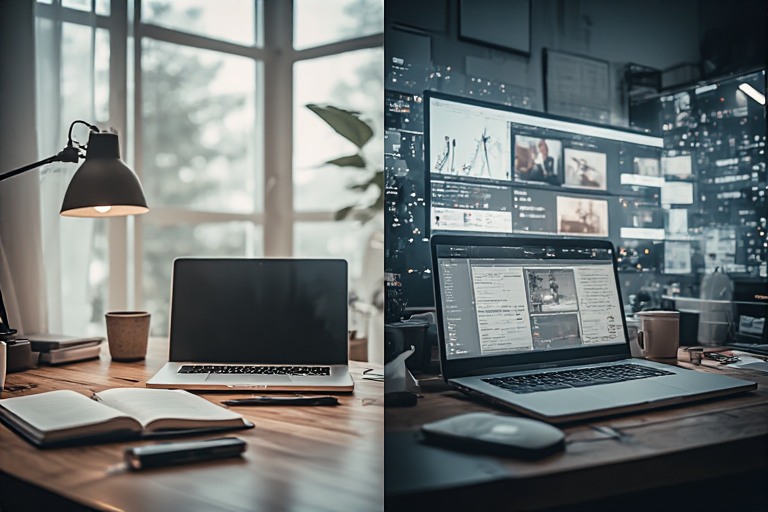
All of this creates a low-level cognitive stress that drains your focus without you even realizing it. The simplification of your digital workspace is an incredibly powerful tool in the digital minimalism toolbox.
These three simple acts: starting with a clean desktop, organizing your files into a simple file system, and committing to something akin to inbox zero at least once a week can be a huge relief on your mental load.
I didn’t realize it until I implemented these into my own life, but a clean digital workspace creates the same sense of calm as a clean physical workspace. Having both is even better. That clean digital workspace makes you significantly more productive in the time you spend online.
7. Reconnect with Offline Life Deliberately
There will be people who tell you that the ultimate goal of digital minimalism is to optimize your screen time. To make it so you get the most out of your life with the most minimal use of technology as possible.
I’m going to tell you up front, that is not the goal. The ultimate goal of digital minimalism is to make room for everything that screens have been quietly crowding out of your life.
Reconnect with your offline life. Do it with intention. This could mean an act as simple as reading a book or going for a walk without your phone. When spending time with your friends and family, have a conversation without glancing down at notifications on your phone or your watch.
Digital minimalism encourages things like cooking a meal, sitting in silence, or simply allowing yourself to be bored for a few minutes. Boredom isn’t a bad thing. Boredom is where creativity lives and how you come up with your best ideas.
The real world isn’t just sitting their waiting for you to find a spare moment between scrolling sessions. it’s been there all along, just patiently waiting for you to show up.
The Bottom Line
Digital minimalism is more than just a nice idea. It’s essential to our wellbeing in today’s society. The sooner we all learn that, the better off we will be. Digital minimalism is how we protect our time, safeguard our mental health, and stay human in a world that is becoming increasingly automated.

This year, don’t just organize your digital life. Reclaim it! Start small. Unsubscribe. Delete what doesn’t serve you. Then reconnect with the real world. Because digital minimalism isn’t about having less tech. It’s about making more room for life.