Mental Overload: How Digital Clutter Hijacks Your Brain
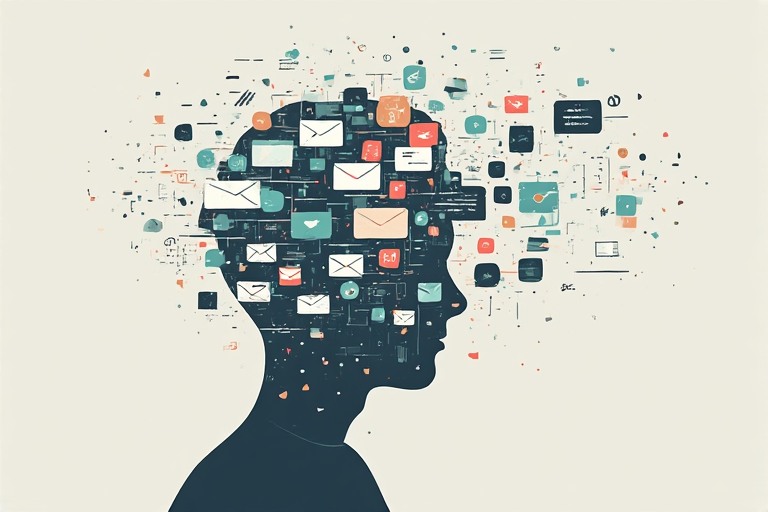
We live in an age of infinite scrolling and overflowing inboxes. A world where our digital spaces have become just as cluttered as our physical ones if not more. Unlike a messy desk, digital clutter hides in plain sight. Subtly hijacking your attention and overwhelming your brain.
The Cognitive Cost of Chaos
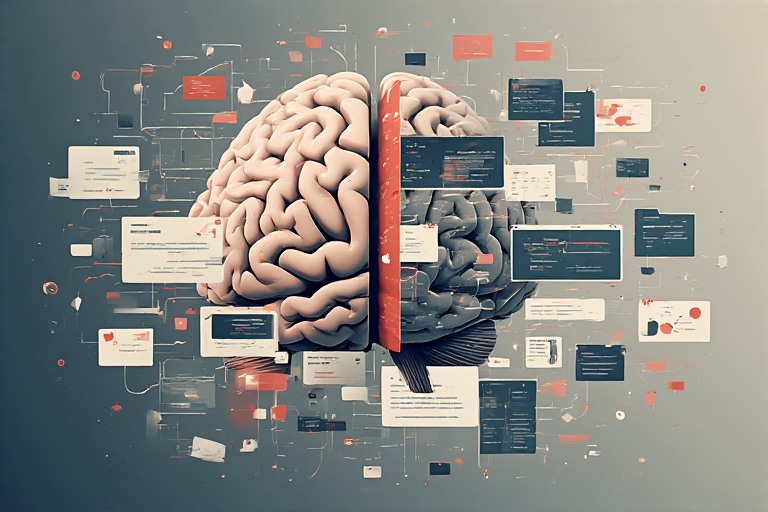
Every time you switch tabs, check unread notifications, or scan through a sea of unorganized files, your brain ends up paying the price. This constant task switching, also known as “context switching” drains your mental energy, decreases productivity, and makes it harder to focus.
Some studies have shown that it can take up to 23 minutes to regain focus after a distraction. Multiply that by a dozen daily interruptions and it’s no wonder that we feel exhausted by lunchtime.
Information Fatigue Syndrome

It’s important to recognize that digital clutter isn’t just about files or apps. It’s about noise. Lots and lots of digital noise. Emails, ads, updates, popups, and endless pings all create a low-grade stress known as information fatigue. Our brains were just not designed to handle the constant stream of data and pings being thrown at us.
Our brains are constantly triaging. What should I respond to? What can I ignore? Over time, this leads to decision fatigue, anxiety, and burnout.
Clutter = Stress Signals
Whether it’s 1,000 unread emails or 50 open browser tabs, your brain perceives clutter as unfinished tasks. This in turn sends a stress signal that keeps your nervous system in a low-level fight or flight mode. You may not feel it immediate, it manifests as irritability, poor sleep, and reduced creativity.
Reclaim Your Mental Bandwidth
I love digital minimalism because it offers a way out. You can curate your digital environment with intention by deleting unused apps, turning off non-essential notifications, organizing your files, and limiting your screen time. In turn, you will give your brain the clarity it craves.
Minimal digital environments lead to calmer minds, deeper focus, and more meaningful engagement with both technology and life.
Final Thoughts
Think of digital clutter the same way you would think of physical clutter in your home. Where physical clutter takes up space in your home, digital clutter takes up space in your mind. By cleaning up your digital life, you free up space in your mind. When you do, your brain will thank you.