Why Digital Minimalism Isn’t Optional in 2026: Taking Back Control in the Age of Endless Noise
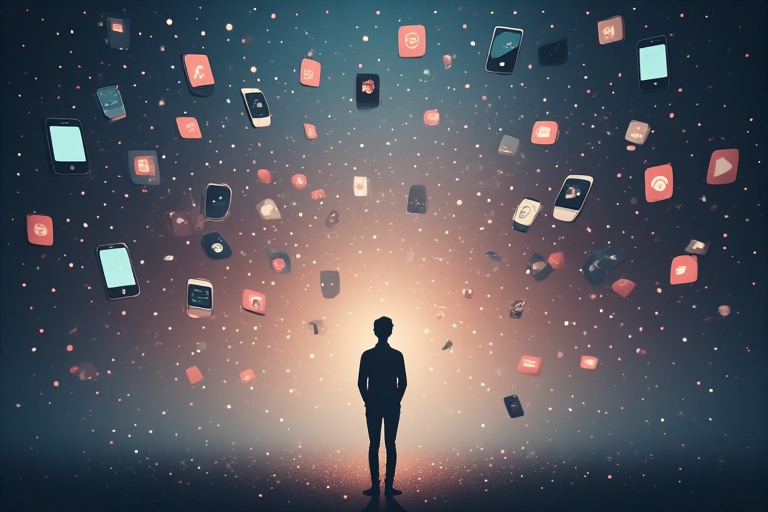
Look around you. How many devices do you have within arms reach? 2? 3? Even more? We are getting inundated with devices, all of which are getting smarter, faster, and more deeply integrated into our lives than ever before.
We have AI tools that complete our sentences, watches that monitor our vitals, and even fridges that tell us when we are out of milk. Beneath this glossy surface of tech innovation lies a sobering truth: we’re drowning in digital overwhelm.
That’s where digital minimalism steps in. Not as a trend, but as a survival strategy.
The Attention Economy Is More Aggressive Than Ever
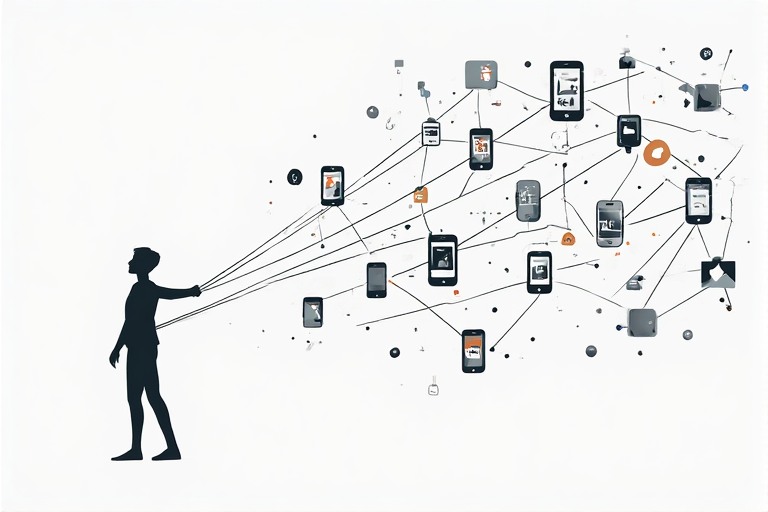
Every app, every notification, every platform has one goal. To grab your attention and hold it. In today’s world, algorithms don’t just respond to your behavior. They predict it and shape it. There’s an old saying about online services. If you are getting it for free, then you are not the customer, you are the product. Similarly, if you aren’t intentional, your time, energy, and focus become the product.
Digital minimalism helps you to resist that pull. It’s about being deliberate and choosing tools that serve you. Not the other way around.
Tech Overload Is Fueling Mental Burnout

With us always being on, the downside is that we are never fully resting. At work we get pings on Teams, social media sends us doom scrolling for hours on end, and with all the streaming platforms available it’s easy to get sucked into several hours of a TV show. With all of these things vying for our attention and time, there is little room left for quiet, reflection, or deep thinking.
By cutting the digital clutter, digital minimalism helps your brain breathe. It’s not about rejecting technology, it’s about using it with purpose so you can reclaim peace and mental clarity.
More Tech Doesn’t Mean Better Living
We have more gadgets than every before, but are we happier? Are we more connected in meaningful ways? Or are we losing ourselves in a maze of updates, notifications, and digital obligations?
Digital minimalism is a call to simplify and focus on what matters. To curate your digital life like you would your physical space. With care, intention, and boundaries.
The Bottom Line
Digital minimalism is more than just a nice idea. It’s essential to our wellbeing in today’s society. The sooner we all learn that, the better off we will be. Digital minimalism is how we protect our time, safeguard our mental health, and stay human in a world that is becoming increasingly automated.

This year, don’t just organize your digital life. Reclaim it! Start small. Unsubscribe. Delete what doesn’t serve you. Then reconnect with the real world. Because digital minimalism isn’t about having less tech. It’s about making more room for life.